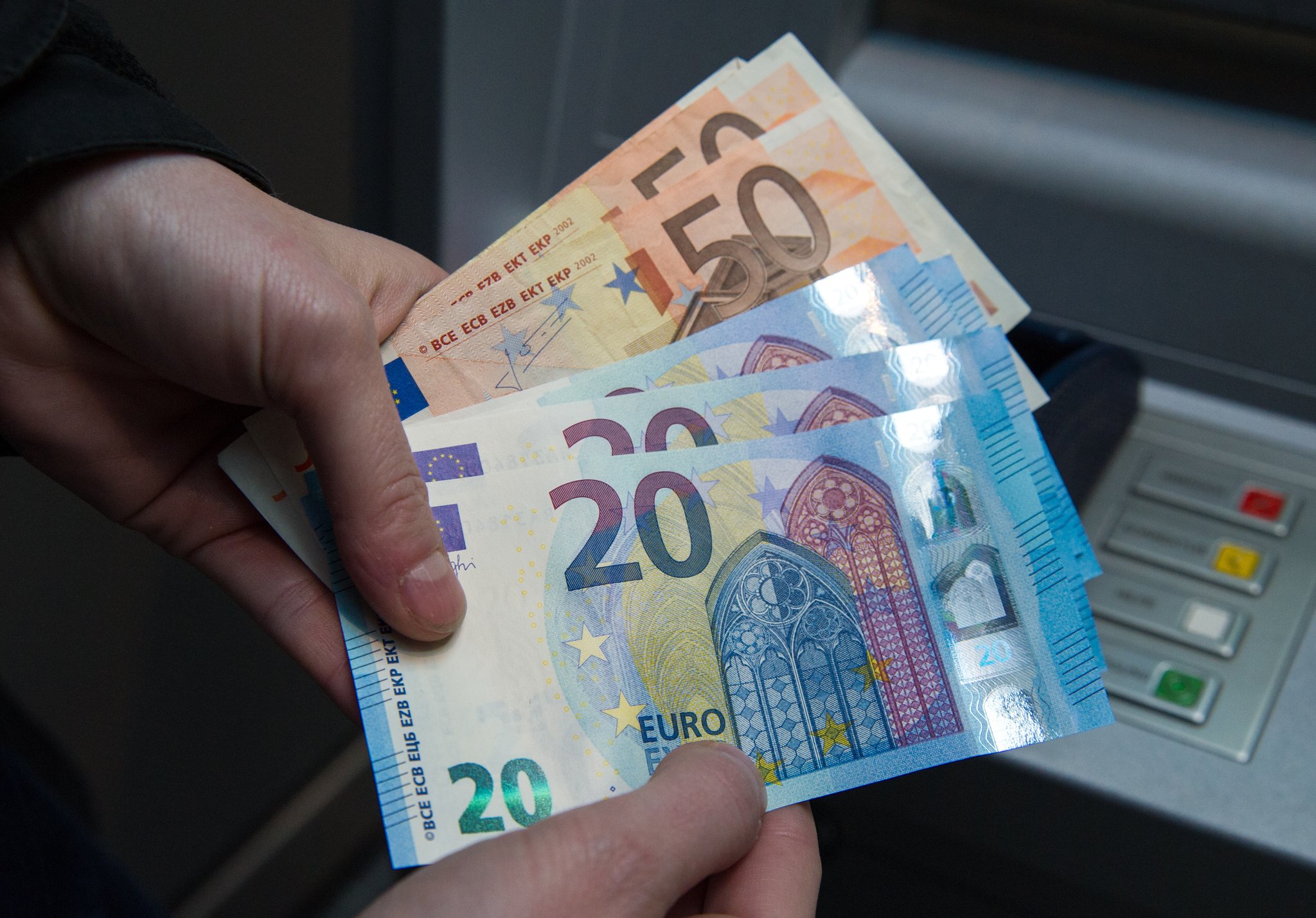
Understanding the Process of Buying Real Money: A Comprehensive Guide
In a significantly digital world, the concept of "real money" has actually progressed, resulting in a complex web of monetary transactions that encompasses both conventional currency and digital types. Purchasing real money refers to the conversion of virtual or digital assets into real currency that can help with deals in daily life. This short article looks into the different methods, advantages, challenges, and frequently asked concerns regarding the purchase of real money.
The Nature of Money in a Digital Era
Historically, money has actually been specified as a cash, an unit of account, and a store of value. With the advent of cryptocurrency, electronic banking, and digital payment systems, the landscape of finance has expanded. Here are some bottom lines concerning the evolution of money:
- Physical Currency: Traditional banknotes and coins utilized in day-to-day transactions.
- Digital Currency: Money that is kept and negotiated digitally, including bank balances and digital wallets.
- Cryptocurrency: A decentralized type of digital money secured by cryptography, with Bitcoin and Ethereum being the most acknowledged examples.
Comprehending these differences is necessary when considering buying real money, as different kinds of money come with their own processes, threats, and advantages.
Why Buy Real Money?
Getting real money typically originates from numerous requirements and scenarios. The reasons can include:
- Investments: Many individuals are attracted to cryptocurrencies and other digital currencies as prospective financial investment automobiles.
- Worldwide Transactions: Businesses and individuals may buy foreign currency (like Euros, Pounds, and so on) to help with worldwide trade or travel.
- Emergency situation Funds: Having cash or tangible assets in the kind of currency guarantees monetary security throughout uncertain times, such as financial slumps.
- Convenience: Digital transactions have made it much easier for people to take part in commerce without carrying physical money.
How to Buy Real Money
The procedure of buying real money varies based upon its type. Listed below we break it down into typical classifications:
1. Standard Currency
To buy traditional currency, you normally need:
- A Bank Account: Most transactions need having a bank account for ease of transfer and security.
- Currency Exchange Services: You can use banks, exchange bureaus, or Online Currency Exchange platforms.
- Recognition: Often, you must provide recognition or proof of residence when transforming large amounts.
2. Digital Currency
For getting digital currency, follow these actions:
a. Choose a Cryptocurrency Exchange
- Research Study Exchange Platforms: Popular platforms include Coinbase, Binance, and Kraken.
- Inspect Fees and Security: Understand trading charges and security protocols to guarantee your funds are safe.
b. Create an Account
- Registration Process: Complete the registration procedure, guaranteeing you supply precise personal details.
- KYC Compliance: These exchanges might have Know Your Customer (KYC) requirements, asking for identification paperwork.
c. Link Payment Methods
- Deposit Funds: You can connect your bank account or debit/credit card to deposit funds on the exchange.
- Purchasing Process: Follow the directions on the platform to purchase your wanted cryptocurrency.
3. Digital Wallets
To buy money stored in a digital wallet:
- Core Wallet Options: Choose in between a hot wallet (connected to the web) or a cold wallet (offline).
- Transfer Funds: Use these wallets to send or receive money from various sources.
Advantages of Buying Real Money
Buying real money offers numerous benefits, including:
- Liquidity: Cash can be quickly used for transactions, guaranteeing you have access to funds when necessary.
- Stability: Traditional currencies are reasonably steady compared to volatile cryptocurrencies.
- Accessibility: Digital payment systems make moving money throughout borders simpler and faster than conventional banking methods.
Difficulties in Buying Real Money
Despite its advantages, numerous challenges exist:
- Volatility: Cryptocurrencies are notoriously unstable, raising the risk for investors.
- Costs: Currency exchanges and transactions might sustain various costs, reducing overall profitability.
- Legal Regulations: Different jurisdictions have unique guidelines concerning currency deals and taxes, making compliance crucial.
Frequently Asked Questions about Buying Real Money
1. Is Fälschungen Online Bestellen to buy cryptocurrency?
While purchasing cryptocurrency is thought about safe when done through reputable exchanges, threats such as market volatility and cybersecurity threats exist. Users must allow two-factor authentication and never share sensitive info.
2. What are the primary threats associated with buying foreign currency?
Threats consist of variations in currency exchange rate, financial instability in the currency's nation, and potential scams or rip-offs in the exchange procedure.
3. Can I buy real money with a charge card?
Yes, lots of online exchanges enable credit card purchases for cryptocurrencies or conventional money, but understand potential high charges.
4. How do I ensure I'm getting a reasonable exchange rate?
Always compare rates from various exchanges or institutions, and think about utilizing a currency converter to evaluate existing market rates readily.
5. Are deals and purchases traceable?
Yes, many transactions, particularly digital currency purchases, are taped on a blockchain or through banks, although some cryptocurrencies supply functions meant to boost personal privacy.
Purchasing real money encompasses an elaborate network of monetary transactions that show the evolution of money itself. With the growth of digital deals and currencies, it is essential for customers and investors to be notified relating to the different techniques, advantages, and possible threats associated with the process. As the monetary landscape continues to establish, comprehending the nuances of money will be significantly advantageous for making sound financial investment and spending choices. By browsing this intricate environment with awareness and caution, individuals can handle their financial resources proactively and securely.